Perinatal Equity Project - Baby Steps
Improving perinatal outcomes for women and birthing people from
ethnic minority communities in Surrey
The Perinatal Equity Project, Baby Steps, was created to improve health outcomes and reduce disparities for pregnant women from minoritised communities in Surrey. Through culturally safe peer support, one-to-one listening and advocacy, we help families feel heard, supported and confident during pregnancy and early parenthood.

What We Offer
Baby Steps peer support groups in various locations across Surrey
Perinatal and Postnatal Pilates to regain core strength
One-to-one culturally aware listening
Perinatal mental health advocacy & signposting to NHS services
Health literacy workshops

SMEF policy position: Baby Steps (Groups + 1:1 Perinatal Equity Support)
Our position
SMEF’s Baby Steps programme is a co-produced, culturally inclusive perinatal early-intervention and navigation offer that reduces health inequalities for women and birthing people from Black and minoritised communities in Surrey. Baby Steps sits upstream of crisis and below clinical thresholds, strengthening emotional wellbeing, reducing isolation, improving health literacy and confidence, and supporting timely access to maternity, health visiting, perinatal mental health and early years services.
Baby Steps is not a substitute for statutory provision. It is an essential equity layer that improves access and experience by bridging trust gaps, language and cultural barriers, and system complexity.
Why Baby Steps is needed
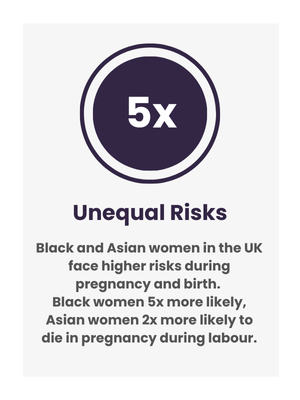
Women and birthing people from Black and minoritised communities face structural barriers that increase risk and reduce access to timely support, including:
lower trust and poorer experiences in services
stigma around mental health and help-seeking
language and communication barriers
inconsistent referral routes and unclear thresholds
digital exclusion and low awareness of entitlements/support
wider determinants (poverty, insecure housing, transport, immigration-related fear, social isolation)
Baby Steps directly responds to these drivers by providing trusted, non-judgemental support in community settings, paired with practical navigation and advocacy.
What Baby Steps delivers (two complementary parts)
1) Group model (term-time weekly):
culturally safe peer support and facilitated wellbeing sessions
relationship-based engagement, belonging and confidence-building
prevention-focused content (emotional wellbeing, infant feeding, healthy relationships, accessing services)
structured signposting and warm handovers to statutory/VCSE services where appropriate
2) 1:1 model (targeted support):
time-limited navigation/advocacy for women/families with additional barriers or complexity
support to attend appointments, understand options, and access the right pathway
strengthened escalation routes where safeguarding or higher-risk needs emerge
a bridge for those who will not or cannot engage in groups
What SMEF recommends to partners
To reduce perinatal inequalities at scale, SMEF recommends that Surrey partners:
Commission and embed community early-intervention offers like Baby Steps as a core part of the perinatal pathway, not as “add-on” provision.
Create clear, consistent referral and handover routes between maternity, health visiting, primary care, PMHS and VCSE early help, so women don’t fall between thresholds.
Invest in culturally inclusive access: interpretation, translated/accessible materials, and culturally responsive engagement approaches that reflect diverse communities.
Prioritise relational, trust-building outreach (including community venues and peer support models) as a mechanism to improve early access and engagement.
Treat digital exclusion and health literacy as clinical risk multipliers, ensuring non-digital routes to information and support are always available.
Strengthen workforce cultural competence, including confidence to have sensitive conversations and to understand how culture, racism and stigma affect access and disclosure.
Recognise wider determinants in perinatal care, and connect women to practical advice/support on housing, finances, immigration-related anxieties, transport and social isolation through integrated pathways.
What SMEF commits to (our offer)
SMEF will:
co-produce delivery with community members and use lived experience to continuously improve the offer
provide safe, inclusive spaces that enable early help and prevention
capture learning on barriers and share it through regular partner briefs (“you said, we did”)
maintain clear boundaries and escalation routes for safeguarding and higher-risk needs
work collaboratively to strengthen pathways and reduce duplication
What success looks like
Partners and SMEF should expect to see:
increased engagement from under-served ethnic groups earlier in pregnancy and postnatally
improved confidence navigating services and increased awareness of support options
reduced isolation and improved emotional wellbeing (simple pre/post or feedback measures)
more appropriate onward access to HV/maternity/PMHS and early years support (including warm handovers)
better experiences of care through trust, communication and cultural inclusion
evidence of pathway improvements based on Baby Steps insight
Read our Perinatal Equity Reports

SMEF works in partnership with the NHS, local authorities and VCSE organisations to improve access and outcomes. We follow strict safeguarding, confidentiality and data protection procedures.

Let’s get in touch
Your work with communities should create impact, not extra barriers. We’re here to make collaboration simple and effective.