Autism Support
Culturally inclusive support for families from ethnic minority communities across Surrey.
About the project
Spectrum Support helps families understand autism, connect with others and navigate support services. Through one-to-one peer support, awareness events and training for Parent and Peer Champions, we build confidence and strengthen community understanding.
The project brings lived experience and professional partnerships together to help families feel heard and supported.
What Spectrum Support offers
Peer Support
Connect with people who understand your experiences through one-to-one peer support.

Parent and Parent Champions
Training for people with lived experience of autism to support others and advocate within their communities.

Awareness and understanding
Events and information to build understanding of autism and awareness of available support.

Voices from Our Communities

“The SMEF Spectrum platform you have created, along with the connections you've facilitated, has made a world of difference. I’ve built strong friendships with parents through it, and that has been life-changing. I hope we can continue taking this autism project to the next level, creating a real sense of belonging for every neurodiverse child and adult in our community.”
Ayshea - Parent Champion
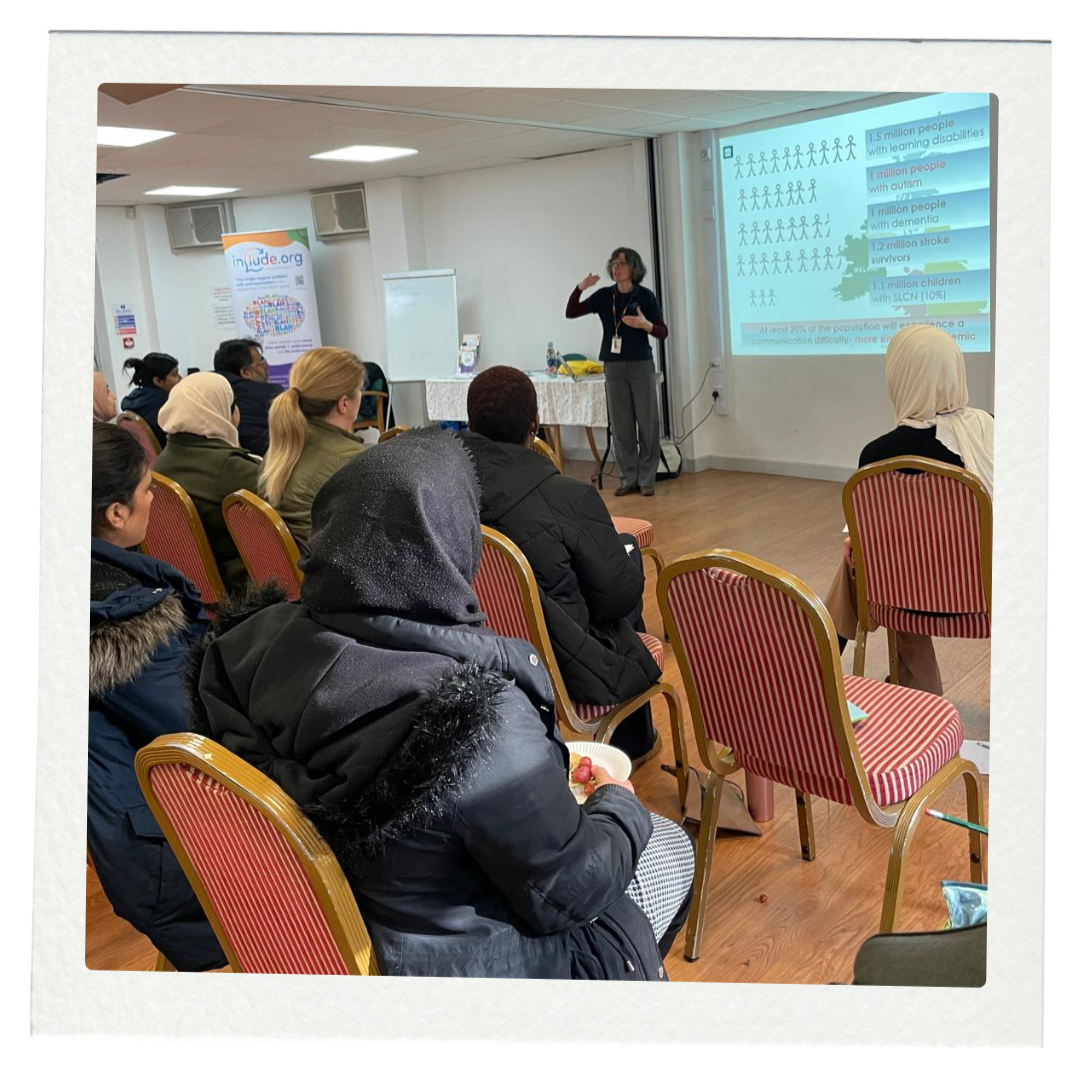
"Really enjoyed today's talk as I found it enlightening and came away with lots of useful and beneficial information. Was also very reassuring to see and hear that we are not alone. Services are out there to help us and this brings awareness. Would love to attend these events more! Thank you."”
Kumar - Spectrum Support Community Member
SMEF Impact

Working towards better services
-
Spectrum Peer Support is a culturally inclusive peer support and navigation offer for carers of autistic children from Black and minoritised communities in Surrey. It reduces inequalities by providing trusted, relationship-based support that helps carers understand pathways, access timely help, and feel less isolated, particularly where language, stigma, digital exclusion, low trust and complex systems create barriers.
-
Autistic children and their families from ethnic minority backgrounds face barriers to diagnosis, support and understanding.
Language, stigma and lack of cultural competence often result in isolation and delayed access to help.
SMEF bridges this gap through peer-led advocacy, trusted community relationships and partnership with professionals.
-
Purpose: early help for carers, preventing crisis by strengthening confidence, coping and access to the right services at the right time.
Scope: peer support (including WhatsApp/community spaces) + targeted 1:1 navigation/advocacy (including home visits where appropriate).
Boundaries: not a clinical service; complements statutory SEND, health and social care pathways through practical support, warm signposting and escalation where needed.
-
• Culturally safe peer support spaces (including digital peer networks) to reduce isolation and build mutual support.
• 1:1 navigation and advocacy for carers facing additional barriers, support with forms, appointments, referrals and understanding entitlements.
• Practical ‘next steps’ planning with families (goal setting/action plans) to improve confidence and engagement with services.
• Targeted signposting and warm handovers to statutory and VCSE support, with clear safeguarding/escalation routes.
-
• Reduced isolation and increased wellbeing for carers, evidenced through simple pre/post measures and qualitative feedback.
• Improved navigation and access: carers report increased confidence and successful engagement with appropriate pathways/support.
• Improved experiences: carers feel listened to and respected, with clearer information and fewer repeat ‘bounce’ referrals.
• Earlier help and reduced escalation: carers access support sooner, reducing avoidable crisis points.
• System change: partner actions agreed and implemented to remove barriers (e.g., information, referral routes, accessibility and cultural competence).
-
1. Recognise culturally inclusive carer peer support as essential inequalities infrastructure within SEND/autism pathways, especially for families facing language, stigma and digital exclusion barriers.
2. Embed clear, consistent referral routes and warm handovers between early help, SEND teams, schools, health and VCSE carers support so carers do not fall between thresholds.
3. Invest in accessible information and navigation support (translation/interpretation, non-digital routes, and practical help with forms and appointments).
4. Strengthen cultural competence across autism/SEND services and commissioning to ensure equitable access, respectful experiences and improved outcomes for children and families.
5. Use community insight to improve pathways: agree a routine learning loop where barriers and solutions from carers are translated into practical service improvements.
Read our Autism Reports


Invitation to Collaborate
We are ready to scale the Spectrum Support model across Surrey and beyond. SMEF invites funders, commissioners and research partners to help us expand culturally responsive autism services and amplify the voices of families too often unheard.